How to Talk to Your Parents About Cannabis 2025
Learn how to have open, honest conversations about cannabis with your parents. Tips for reducing awkwardness and building understanding.
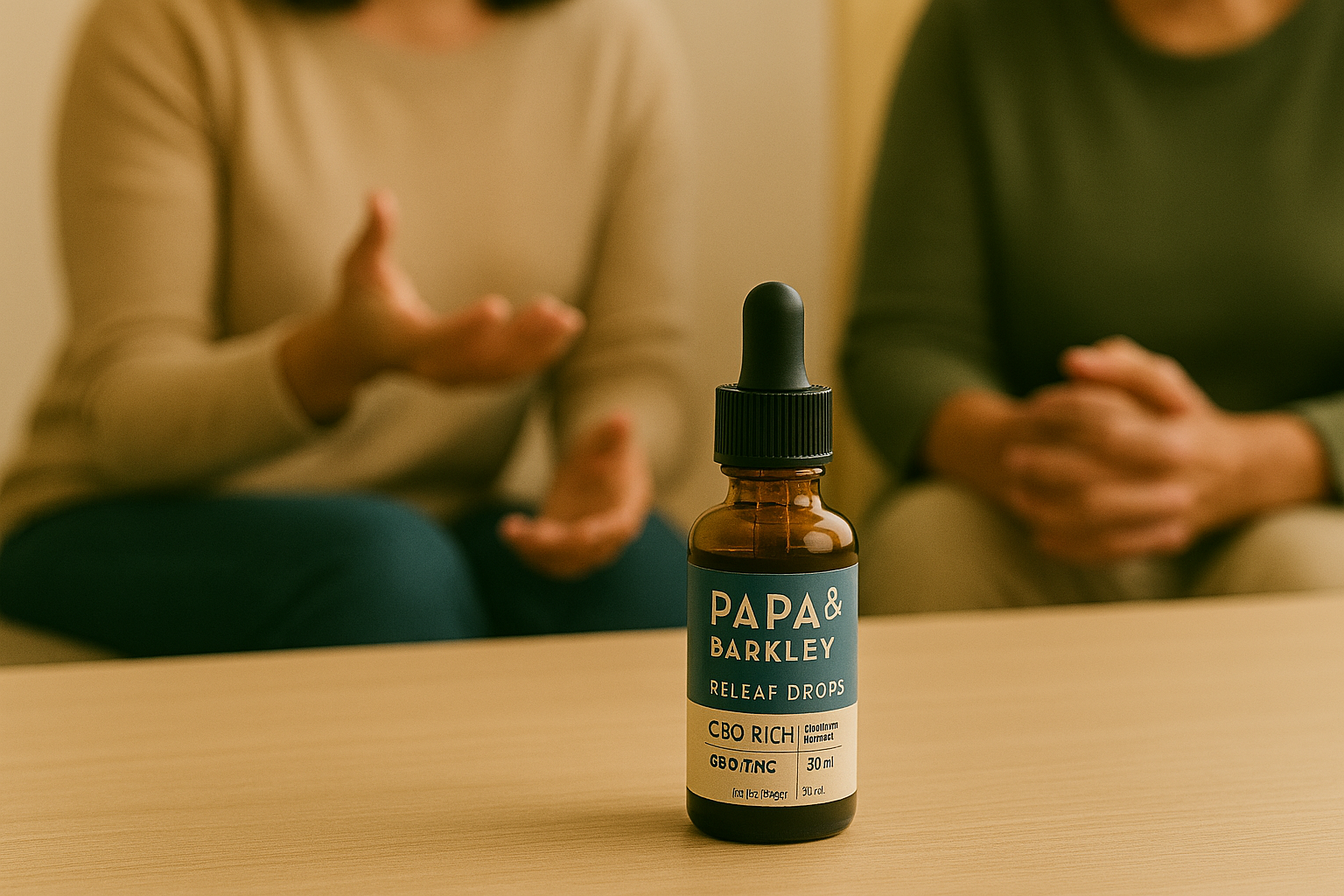
Top Picks for Beginners
Charlotte's Web THC-Free CBD Oil
Best for: Best CBD for introducing parents to cannabis
Top-rated broad-spectrum CBD tincture made from organic hemp. Perfect for introducing parents to cannabis wellness with professional packaging and clear labeling.
Cornbread Hemp Whole Flower CBD Oil
Best for: Best full-spectrum option for parents
Full-spectrum CBD oil with legal Δ9-THC from organic Kentucky-grown hemp. Great for showing therapeutic benefits of cannabis with natural ingredients.
Charlotte's Web Daily Wellness Gummies
Best for: Best gummies for parent conversations
One of America's best-selling CBD gummy brands with natural raspberry lime flavor. Professional packaging and reliable quality perfect for parent conversations.
How to Talk to Your Parents About Cannabis (Without the Awkwardness)
Whether you use cannabis for wellness, sleep, creativity, or just to relax, the moment you tell your parents can feel complicated. Generational stigma, outdated information, or personal beliefs can make the conversation feel high-stakes. But it doesn’t have to be awkward or confrontational.
This comprehensive guide will help you have a calm, informed conversation with your parents about your cannabis use—without turning it into a debate. We’ll cover everything from preparation strategies to handling difficult questions and introducing them to the wellness benefits of cannabis.
Step 1: Know Why You’re Talking
Start by clarifying your own intention. Understanding your motivation will guide how you approach the conversation.
Common Reasons for the Talk:
- Honesty and transparency about your lifestyle choices
- Asking for support (emotionally or financially)
- Sharing something important that affects your relationship
- Clearing up misconceptions and reducing worry
- Introducing wellness benefits they might also enjoy
- Addressing concerns about legal or health implications
Questions to Ask Yourself:
- What do I hope to achieve from this conversation?
- What are my parents’ biggest concerns likely to be?
- How can I address their worries proactively?
- What information would help them understand my choices?
Knowing why you’re talking will help you stay focused and calm during the conversation.
Step 2: Understand Their Perspective
Your parents grew up during eras of intense cannabis misinformation and stigma. They may associate cannabis with:
Common Parental Concerns:
- Addiction and dependency fears
- Laziness and lack of motivation stereotypes
- Gateway drug myths and escalation worries
- Legal and moral issues from their generation
- Health and safety concerns about long-term effects
- Social and professional consequences they worry about
Before you educate, empathize. Ask them open-ended questions:
- “What did you learn about cannabis growing up?”
- “Do you have concerns you’d like to talk through?”
- “What worries you most about cannabis use?”
- “Have you known anyone who used cannabis?”
Understanding their background helps you tailor your approach:
- Baby Boomers (born 1946-1964): Grew up with “Just Say No” campaigns
- Generation X (born 1965-1980): Witnessed the war on drugs
- Millennials (born 1981-1996): Saw the beginning of legalization
- Generation Z (born 1997-2012): Grew up with increasing acceptance
Step 3: Come with Facts, Not Just Feelings
Focus on data and research - not just “it helps me chill.” Having solid information shows you’ve done your homework and aren’t making impulsive decisions.
Key Facts to Share:
Legal Status
- Medical cannabis is legal in 38 states
- Recreational cannabis is legal in 24 states
- CBD products are legal nationwide
- Federal decriminalization is under consideration
Health and Safety
- Cannabis is not physically addictive like opioids or alcohol
- No recorded deaths from cannabis overdose
- Medical benefits for pain, anxiety, sleep, and more
- Safer than alcohol in terms of health effects
Responsible Use
- Start low, go slow dosing principles
- Avoid driving under the influence
- Don’t use during pregnancy or while breastfeeding
- Consult doctors for medical conditions
Share specific studies:
- Research on cannabis and sleep quality
- Studies on anxiety and stress relief
- Pain management effectiveness
- Safety compared to other substances
Step 4: Use Relatable Analogies
Help them understand your use in terms they can relate to:
Common Analogies:
- “It’s like having a glass of wine to relax, but it helps me sleep better”
- “It’s like using melatonin or Advil, but more natural”
- “It’s like meditation or yoga - a tool for wellness”
- “It’s like coffee for some people - helps with focus and creativity”
Product Comparisons:
- CBD gummies = “like taking a vitamin for stress”
- Topical creams = “like Icy Hot for muscle pain”
- Sleep products = “like melatonin but more effective”
- Microdosing = “like a cup of tea for anxiety”
Step 5: Show Them the Products
Demystify cannabis by showing them your actual products. This helps break down stereotypes and shows responsible use.
Products to Show:
- Labeled containers with clear dosing information
- Lab-tested products with safety certificates
- Professional packaging that looks like medicine
- Dosage information showing responsible use
Recommended Products to Introduce:
CBD Wellness Products
- CBD: 17mg per serving
- THC: Less than 0.3%
- Best For: Stress relief, anxiety, sleep
- Why Show This: Professional packaging, clear dosing, wellness-focused
Mr. Moxey’s Zen Peppermint Mints
- CBD: 20mg per mint
- THC: 0.5mg per mint (40:1 ratio)
- Best For: First-time users, precise dosing, beginners
- Why Show This: Professional packaging, microdosed for safety, perfect for introducing parents to cannabis
Shop Mr. Moxey’s Zen Peppermint Mints
Sleep and Relaxation Products
- CBD: 10mg per gummy
- Melatonin: 3mg per gummy
- Best For: Sleep, relaxation, natural sleep support
- Why Show This: Natural ingredients, sleep-focused, professional packaging, melatonin for familiar sleep aid
Shop Charlotte’s Web Sleep Gummies
Topical Pain Relief
CBDistillery CBD Cream
- CBD: 500mg per container
- THC: Less than 0.3%
- Best For: Muscle pain, inflammation
- Why Show This: Looks like regular pain cream, clear therapeutic purpose
Step 6: Stay Calm and Open
If the conversation gets heated or emotional:
De-escalation Strategies:
- Pause and take a breath before responding
- Let them ask questions and express concerns
- Keep the tone respectful even if they don’t
- Acknowledge their feelings without agreeing with misconceptions
- Take breaks if needed - you can continue later
Remember: You don’t need to convince them - just help them understand you and your choices.
Step 7: Address Common Concerns
Be prepared to address their specific worries:
“What if you get addicted?”
Response: “Cannabis isn’t physically addictive like alcohol or opioids. I use it responsibly and can stop anytime. I’m more concerned about my coffee addiction!"
"What about your job?”
Response: “I only use legal products and never before work. Many professionals use cannabis for wellness, just like they use other supplements."
"Isn’t it a gateway drug?”
Response: “Research shows that’s a myth. Most cannabis users don’t use other drugs. I’m actually less likely to drink alcohol because of cannabis."
"What about your health?”
Response: “I use cannabis for health benefits, not to harm myself. It helps with sleep, stress, and pain - all things that improve my overall health.”
Step 8: Introduce the Wellness Side
Many parents are more accepting when they see cannabis as wellness rather than recreation:
Wellness Benefits to Highlight:
- Better sleep and rest quality
- Reduced stress and anxiety
- Pain relief without opioids
- Improved mood and mental health
- Natural alternative to pharmaceuticals
Show Them These Products:
Sleep Products
CBDPure Hemp Oil
- THC-free CBD for better sleep
- Third-party tested for quality and purity
- Professional packaging and clear labeling
Stress Relief
Cornbread Hemp Whole Flower CBD Oil
- Full-spectrum CBD with legal Δ9-THC
- USDA organic Kentucky-grown hemp
- Rich terpene profile for enhanced effects
Recommended Products for Parent Conversations
CBD Products for Wellness Introduction
Charlotte’s Web THC-Free CBD Oil - Top-rated broad-spectrum CBD tincture made from organic hemp. Perfect for introducing parents to cannabis wellness with professional packaging and clear labeling.
Cornbread Hemp Whole Flower CBD Oil - Full-spectrum CBD oil with legal Δ9-THC from organic Kentucky-grown hemp. Great for showing the therapeutic benefits of cannabis with natural ingredients.
CBDPure Hemp Oil - Veteran brand offering potent full-spectrum CBD. Known for consistent quality and professional presentation that parents can trust.
Edibles for Gentle Introduction
Cornbread Hemp CBD Capsules - Top-rated hemp-derived capsules with full-spectrum CBD. Features organic ingredients and convenient dosing for a gentle introduction to cannabis wellness.
Mr. Moxey’s Zen Peppermint Mints - Microdosed edible beloved for its discretion and herbal formulation. Perfect for showing how cannabis can be used subtly and responsibly.
Charlotte’s Web Daily Wellness Gummies - One of America’s best-selling CBD gummy brands with natural raspberry lime flavor and consistent effects. Professional packaging and reliable quality for parent conversations.
Topical Products for Practical Benefits
Charlotte’s Web CBD Cream - Award-winning cannabis-infused topical cream with all-natural ingredients for localized pain relief. Looks and feels like traditional pain relief products.
Cornbread Hemp CBD Balm - Pioneering cannabis balm delivering targeted relief for specific areas. Professional medical appearance and clear therapeutic purpose.
Communication Strategies for Different Parent Types
Conservative Parents
Approach:
- Focus on legal CBD products first
- Emphasize wellness and medical benefits
- Show professional packaging and lab testing
- Use medical analogies and research
Recommended Products:
- Charlotte’s Web THC-Free CBD Oil - THC-free, organic, professional
- CBDPure Hemp Oil - Veteran brand, consistent quality
- Charlotte’s Web CBD Cream - Medical appearance, pain relief
Health-Conscious Parents
Approach:
- Highlight natural and organic ingredients
- Focus on wellness and prevention
- Show research on health benefits
- Compare to other natural supplements
Recommended Products:
- Cornbread Hemp CBD Oil - Organic, full-spectrum, natural
- Cornbread Hemp CBD Capsules - Organic, all-natural ingredients
- Charlotte’s Web Daily Wellness Gummies - Natural raspberry lime flavor, gourmet quality
Tech-Savvy Parents
Approach:
- Share research and studies
- Show lab reports and testing data
- Discuss legalization trends
- Use digital resources and apps
Recommended Products:
- PAX Plus Vaporizer - Tech-forward design, app connectivity
- DaVinci IQ3 Vaporizer - Smart features, precision control
- Cornbread Hemp CBD Balm - Innovative delivery method
Step 9: Set Boundaries and Expectations
Be clear about what you’re willing to discuss and what’s off-limits:
Healthy Boundaries:
- Your use is your choice - not up for debate
- You’re happy to answer questions about safety and legality
- You won’t use around them if it makes them uncomfortable
- You’re open to their concerns but won’t change your mind based on fear
What to Avoid:
- Debating the morality of cannabis use
- Comparing your use to others
- Promising to quit if you don’t intend to
- Getting defensive about your choices
Step 10: Follow Up and Build Understanding
The conversation doesn’t end after one talk:
Ongoing Strategies:
- Share positive experiences and benefits you’ve noticed
- Introduce them to cannabis-friendly media and resources
- Invite them to ask questions anytime
- Show them your responsible use over time
- Share research as you learn new information
Resources to Share:
- Medical cannabis research from reputable sources
- Legalization news and policy updates
- Wellness articles about cannabis benefits
- Professional opinions from doctors and researchers
Handling Difficult Reactions
If They’re Angry or Disappointed
- Stay calm and don’t match their energy
- Acknowledge their feelings without agreeing
- Give them time to process the information
- Reassure them about your safety and responsibility
If They Refuse to Listen
- Don’t force the conversation
- Send them resources to read on their own
- Focus on your relationship outside of cannabis
- Give them space to come around
If They’re Supportive
- Thank them for their openness
- Share your experiences and what you’ve learned
- Consider introducing them to wellness products
- Build on this foundation for future conversations
Advanced Conversation Techniques
Using Stories and Examples
Personal Stories:
- Share how cannabis helped with a specific problem
- Describe positive changes in your life
- Talk about responsible use and safety
- Mention professional success and cannabis use
Research Examples:
- Studies on cannabis and sleep quality
- Research on anxiety and stress relief
- Medical cannabis success stories
- Legalization benefits in other states
Addressing Specific Concerns
Legal Concerns:
- Show current legal status in your state
- Explain difference between medical and recreational
- Discuss federal vs. state laws
- Share legalization trends
Health Concerns:
- Compare cannabis to other substances
- Show research on safety profile
- Discuss medical benefits
- Address specific health conditions
Social Concerns:
- Share professional success stories
- Discuss changing social attitudes
- Show cannabis in mainstream media
- Talk about responsible use in social settings
Frequently Asked Questions
Q: When is the best time to have this conversation?
A: Choose a calm, private moment when everyone is relaxed. Avoid holidays or stressful times. Consider having the conversation over coffee or a meal.
Q: What if my parents are completely against cannabis?
A: Focus on education and understanding rather than changing their minds. Share facts, show them your responsible use, and give them time to process.
Q: Should I tell them if I’m using cannabis medically?
A: Yes, especially if you’re dealing with health issues. Medical use is often easier for parents to understand and accept.
Q: What if they threaten to cut off support?
A: This is a serious concern. Consider whether you’re financially independent enough to have this conversation. You might need to wait until you’re more stable.
Q: How do I handle it if they want to try cannabis themselves?
A: Be supportive but cautious. Start them with low-dose CBD products and guide them toward safe, legal options.
Final Thoughts: Cannabis Can Be a Bridge
Talking to your parents about cannabis might seem daunting, but it can also bring you closer. It’s an opportunity to build trust, challenge outdated stigma, and share more of who you really are.
Key Takeaways:
- Prepare thoroughly with facts and clear intentions
- Understand their perspective and concerns
- Use relatable analogies and show them products
- Stay calm and respectful throughout the conversation
- Focus on wellness benefits rather than recreation
- Set healthy boundaries and expectations
- Follow up and continue building understanding
Remember: You’re allowed to have this conversation at your own pace. Don’t rush it, and don’t feel pressured to share more than you’re comfortable with.
Lead with curiosity, stay grounded in facts, and approach the conversation as an opportunity for deeper connection rather than a confrontation.
Recommended Products for Parent Conversations from Our Affiliate Partners
CBD Products for Demonstrations
- Charlotte’s Web THC-Free CBD Oil - Broad-spectrum CBD oil for gentle wellness introduction
- Cornbread Hemp CBD Oil - Organic full-spectrum CBD oil with legal THC
- CBDPure Hemp Oil - Full-spectrum CBD oil for wellness
Edibles for Educational Purposes
- Charlotte’s Web Daily Wellness Gummies - CBD gummies with natural ingredients
- Cornbread Hemp CBD Capsules - CBD capsules for relaxation and wellness
- Mr. Moxey’s Zen Peppermint Mints - CBD mints for discreet use
Topical Products for Safety Discussion
- Charlotte’s Web CBD Cream - Cannabis-infused topical cream
- Cornbread Hemp CBD Balm - Cannabis-infused balm for targeted relief
This guide is designed to help you have productive conversations about cannabis with your family. Remember that every family is different, and you know your parents best. Trust your instincts and approach the conversation in a way that feels right for your relationship.
Frequently Asked Questions
How do I start a conversation about cannabis with my parents?
What should I say when talking to parents about cannabis?
How do I handle negative reactions from parents?
Should I show my parents cannabis products?
What if my parents don't approve of cannabis?

About Cannabis Guide Hub
Your trusted source for cannabis education, product reviews, and industry insights. We use advanced research tools to analyze thousands of products and studies, then our team of cannabis specialists curates and verifies everything before sharing with our readers.
Affiliate Disclosure
This post contains affiliate links. We may earn a commission if you make a purchase through our affiliate partners at no additional cost to you. This helps support our content creation.